[avatar user=”chrisdunn” size=”160″ align=”left”]Chris Dunn[/avatar]
The Food Safety Modernization Act (FSMA) is a set of regulations signed into law in 2011. It is the biggest update to US Food Safety in 75 years!
It is focused on three key areas:
- Prevention
- Increased surveillance (monitoring of your process)
- Better response (plans in place in case something bad happens)
According to reports by the Centre for Disease Control and Protection (CDC), 48 million people suffer from foodborne illness or disease every year.
Thousands have to be hospitalized. More than 30 people have died in the last decade. The FDA feels a lot of these illnesses and deaths are preventable.
I. PREVENTION
The FDA wants you to have a plan.
If you anticipate anything and everything that could go wrong, you can develop plans and procedures to prevent things from happening.
II. SURVEILLANCE
The FDA believes you need to inspect more of what you expect.
Don’t leave things to chance. Don’t leave things to your memory.
Develop plans and procedures that monitor, verify and record the key things you are doing to insure quality and safety.
While they want you to take the primary lead in this surveillance, but know they are gearing up to do more inspections themselves.
III. RESPONSE
The FDA knows “things happen”. They know real world there are always unanticipated things that can happen.
That’s ok in their book. It’s real. However, since a lot of these things can be anticipated, they want you to plan on what to do before something happens.
To have plans and procedures on standby. When stuff hits the fan, they don’t want you sitting around trying to figure out what to do next.
This means knowing what’s involved in a recall; who to call; what information to gather. It means educating your team on what to do, how to help.
How is this so different from what I’ve been doing in the past?
In truth, it is meant to take your game up a notch or two. It is meant to build on what you have already done.
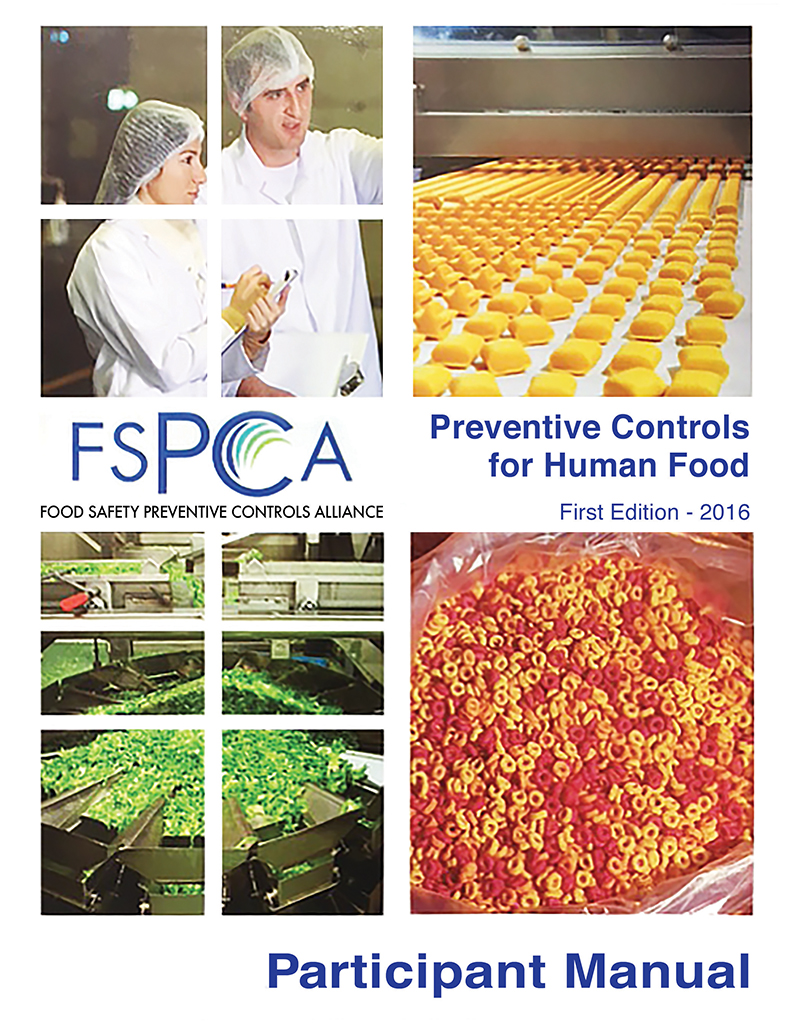
It wants you to take your HACCP plan and your PIQCS plan and make sure it covers everything. Doing an updated hazard analysis is a major focus of the new Preventive Controls.
It wants you to think broadly. It’s not always a CCP that controls your problems. Most of the time it’s the day-to-day programs you have in place.
We call these prerequisite programs and good manufacturing practices. You incorporate these into your SOP’s and SSOP’s.
Your updated plan will help you document what you do to protect quality and safety of your product.
What’s this mean to you?
- Updating your PIQCS Plan.
- Make sure your documents reflect how you operate today.
- Make sure you have a complete hazard analysis (the FDA has 40 questions for you to ask yourself and your plant operations as thought starters)
- Review what controls you need. Are any of them failsafe – critical? Have you documented all the other things you are doing to protect your product?
- Do you have an up-to-date supply chain program? Have you prequalified your suppliers?
- Do you buy ice from someone else seasonally? How do you know they do as good a job as you do?
- Do you have training programs in place for everyone in the plant?
- Getting this done now — during the less busy time of year
- The FDA’s compliance deadline for ice plants that do over a million dollars a year in revenue (including the value of your year-end inventory) is September 18, 2017.
- There are penalties if your plan is not updated… more inspections and possible fines.
- Is my IPIA audit going to change?
- Not right away.
- IPIA is focused on helping you get compliant with the FDA.
- The PIQCS audit itself will be updated over the next several years with plenty of advance notice and training.
Take advantage of IPIA help
- Toolkit being developed with examples of updated documents.
- Instructional webinars
- Hotline to answer your questions.
Where should you start?
- Highly recommend to get somebody in your facility trained as a Preventive Controls Qualified Individual which requires they take an FDA approved training course
- IPIA is offering classes in Dallas and Atlanta this winter. Other classes can be found nearby from other training companies or universities.
What happens if you delay?
- The FDA is updating training of all their inspectors over the next 3 years.
- If you get a newly trained inspector and you have not started to update your PIQCS/Food Safety plan or don’t have one at all, you are subject to FDA action including fines and inspections.
What is this going to cost me?
- The training of at least one PCQI.
- Your time in updating some documents
- All the content and assistance comes to you free as part of your IPIA membership.
Does everybody have to do this?
- YES. All food facilities in the United States must be registered with the FDA and comply.
Act Now! Call IPIA for more information and questions. Or email FSMA@packagedice.com.